

Why does Overwatch have a toxic community?
Contributing factors of the rise of toxicity
How toxicity migrates more towards women and LGBT communities rather than men
Voice chat heavily drives toxicity toward women. The moment a player speaks, their voice reveals their gender, triggering immediate abuse because female players remain a distinct minority in many lobbies. Teammates find it easy to scapegoat or blame female players—often because they outnumber and isolate them—instead of reflecting on their own mistakes. Female players are often singled out and outnumbered by teammates who prefer to scapegoat them instead of reflecting on their own mistakes. By contrast, if a man fails a clutch, teammates usually offer a “nice try” or throw out milder insults like “you’re washed.” Men rarely face the same level of hatred or frequency of abuse that women endure. Revealing your sexuality also invites immediate hate from players who prefer deflection over taking personal responsibility. If you struggle to handle online harassment, we highly recommend reading this guide on how to stand up to gaming toxicity.
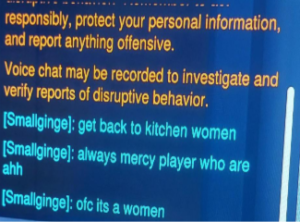
Other cases of toxicity in Overwatch
Dealing with toxicity in Overwatch
Have you ever encountered toxic behaviour in Overwatch? You can follow several tips to maintain a healthy gaming experience. First, make your first line of defence muting toxic enemies or teammates. Reporting toxic behaviour also helps developers crack down on abusive players. If you need to report someone, take immediate action and submit a ticket for voice or text chat abuse. This system penalizes the offending player with a ban for violating the code of conduct. By doing this, you protect yourself and safeguard future players who might otherwise encounter that same toxic user.